
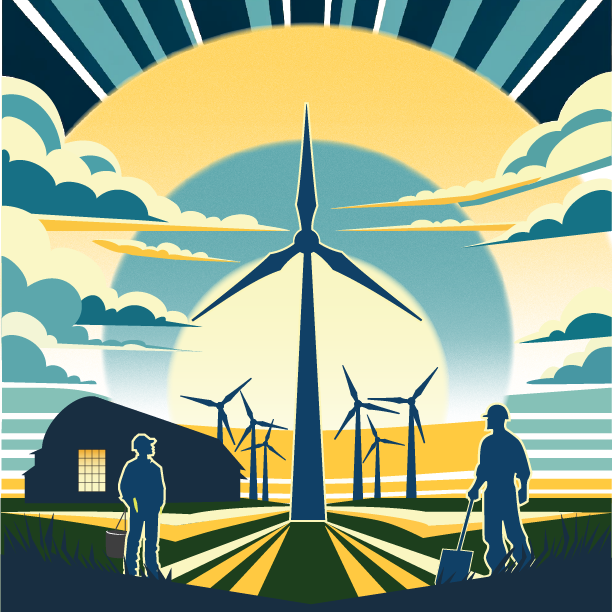
The promise of the Green New Deal as a framework for communities to thrive.
The Green New Deal has been articulated as a vision for a society in which government investment supports family-sustaining jobs, accelerates the transition to clean energy, and reshapes economic systems to be more equitable. As a policy framework, it illustrates how public dollars could be directed toward outcomes that strengthen communities economically, racially, and socially.
This vision has helped ground conversations about what large-scale climate investment could look like in practice, particularly when designed to center workers, frontline communities, and long-term public benefit.ll.
What a Green New Deal in local communities has looked like in practice:
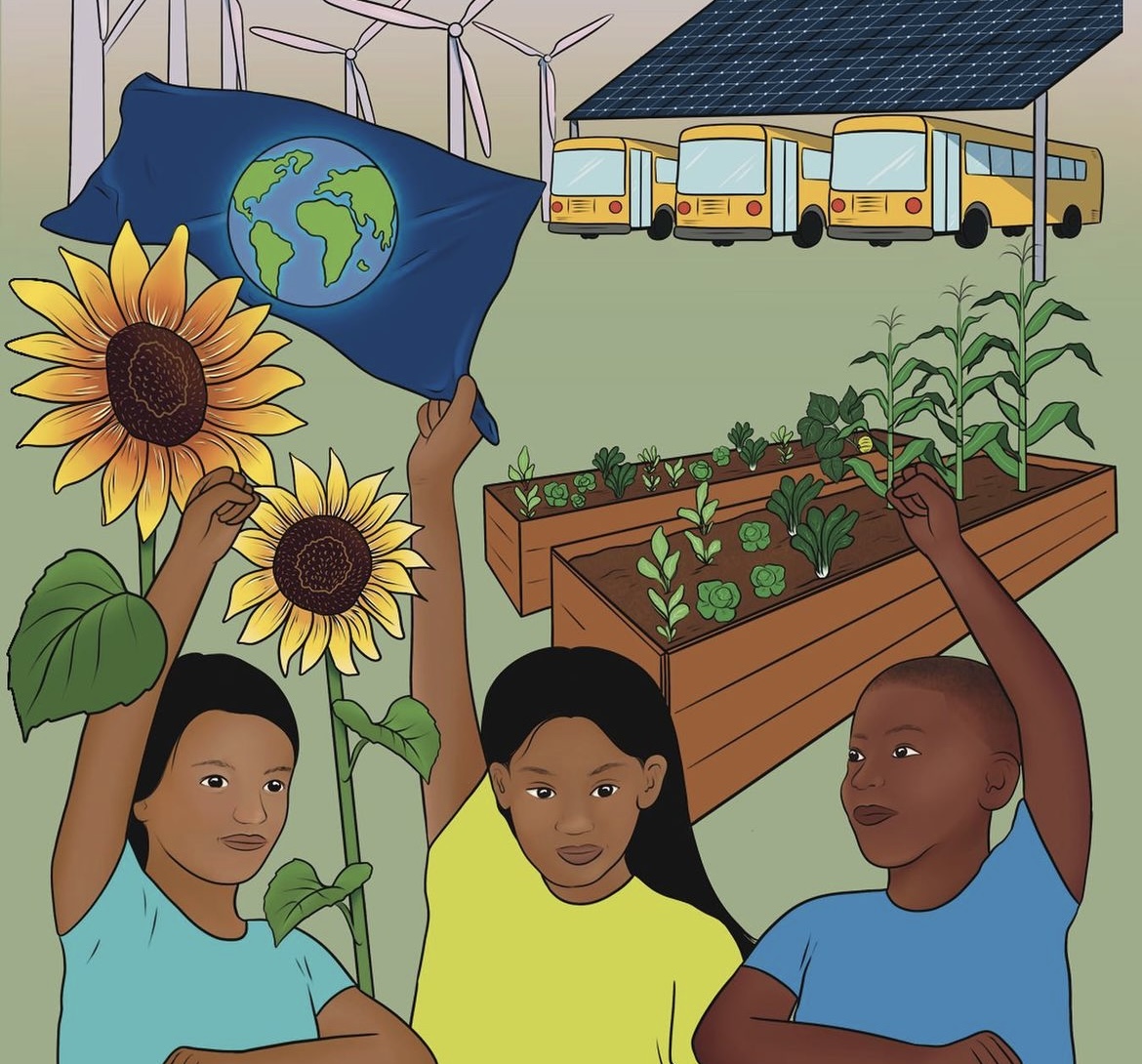
Maximizing Federal Funds: How communities built a green future
The overlapping economic, social, and climate crises that everyday Americans faced required big solutions — so big they required the full weight of the federal government to deliver for the people.